Los Angeles · Orange · Ventura · Santa Barbara & Surrounding Counties
Attic Insulation
Cooler in the Summer AND Warmer in the Winter!
The attic is by far the most important area of your home to have insulated. We suggest homeowners make certain their attic is well insulated before insulating any other area of their home. All too often homeowners believe they have adequate insulation in their attic and in fact only have a small fraction of what they should have. Like many things in life, some people rather not know and just presume things are fine, all the while their heating and cooling bills are unreasonably high or they’re suffering with an uncomfortable home. Check your attic insulation!
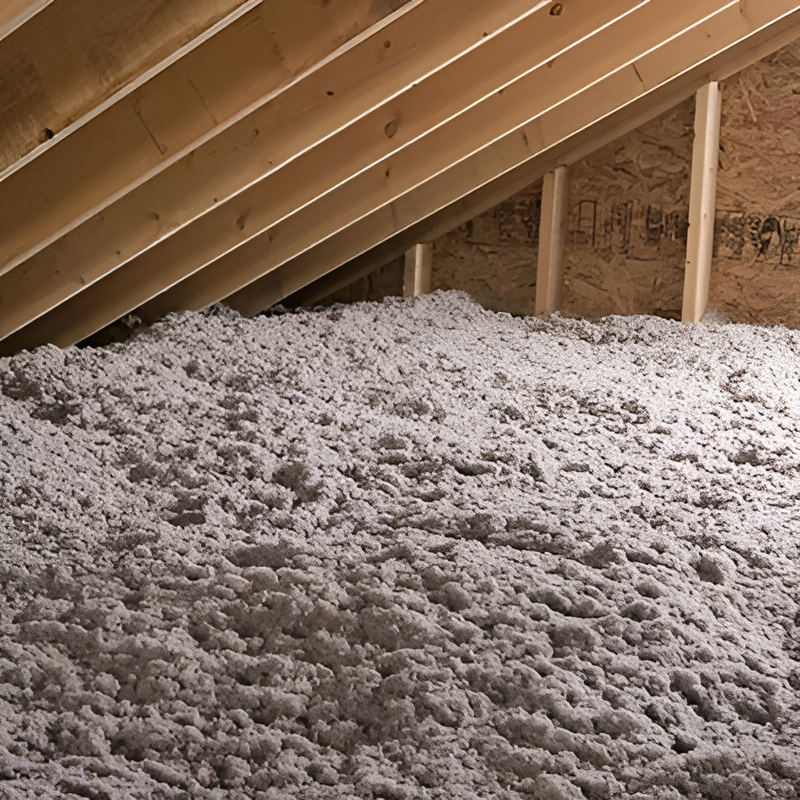
Because 70% of heat gain and loss occurs through the attic, it is by far the most important area of your home to have insulated. We suggest homeowners make certain their attic is well insulated before addressing any other area of their home. All too often, homeowners believe they have adequate insulation in their attic when, in fact, they only have a small fraction of what should be present – causing heating and cooling bills to be unreasonably high, and discomfort in the temperature of the home. Once the attic is thoroughly insulated, the results are a cooler home in the summer, warmer home in the winter, and lower energy bills. It’s that simple and it really works. Insulation is so effective that its cost is often paid for through energy savings in less than a year…and with the rising cost of natural gas and electricity, savings may come even sooner. For a better understanding of how insulation works, see our section ‘How Insulation Works.’
How Much Attic Insulation
Do I Need?
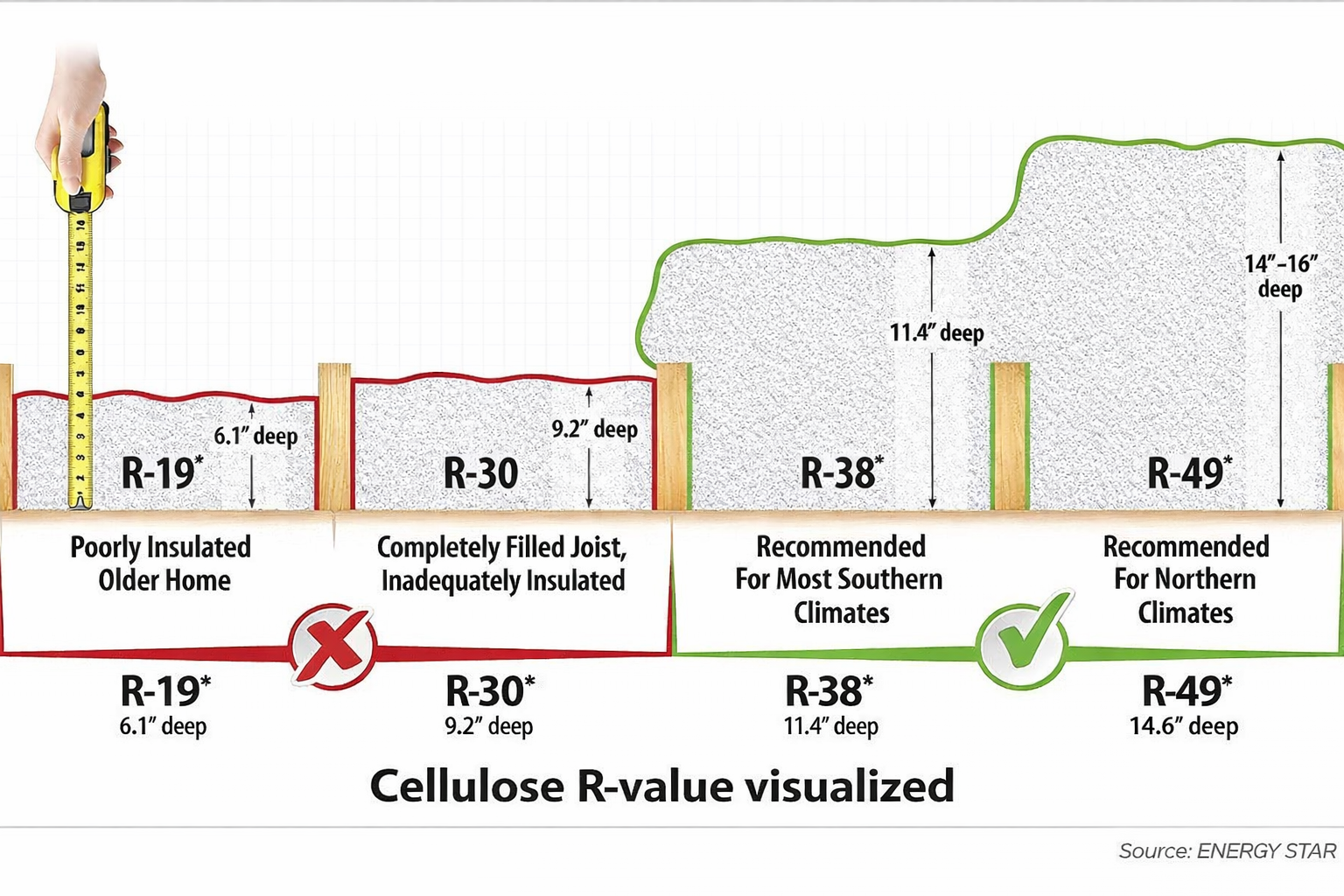
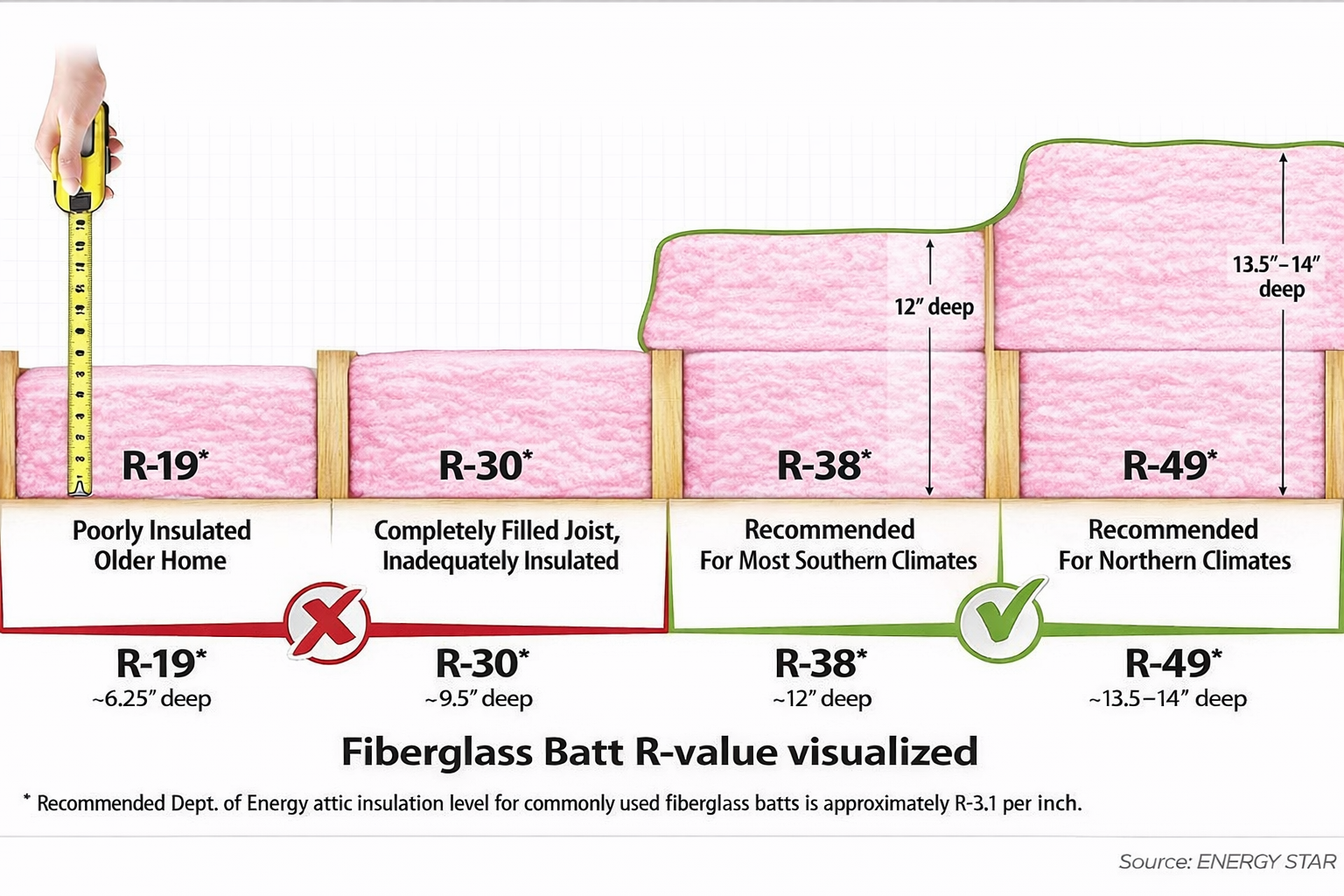
The performance of an insulation material is measured by “R-Value”, where the “R” stands for Resistance. The thicker the insulation, the greater/higher it’s R-value and performance.
As of 2016, the standard building code for attic insulation in L.A., Orange, Ventura and surrounding counties is R-38. Back in the 1970’s, when many of our homes were built, the code was R-19 and in the years to follow it was R-30. The various performance levels, R-19, R-30 and R-38 is all made from the same insulation material, only the thickness of the insulation differs in order to achieve different R-values and performance.
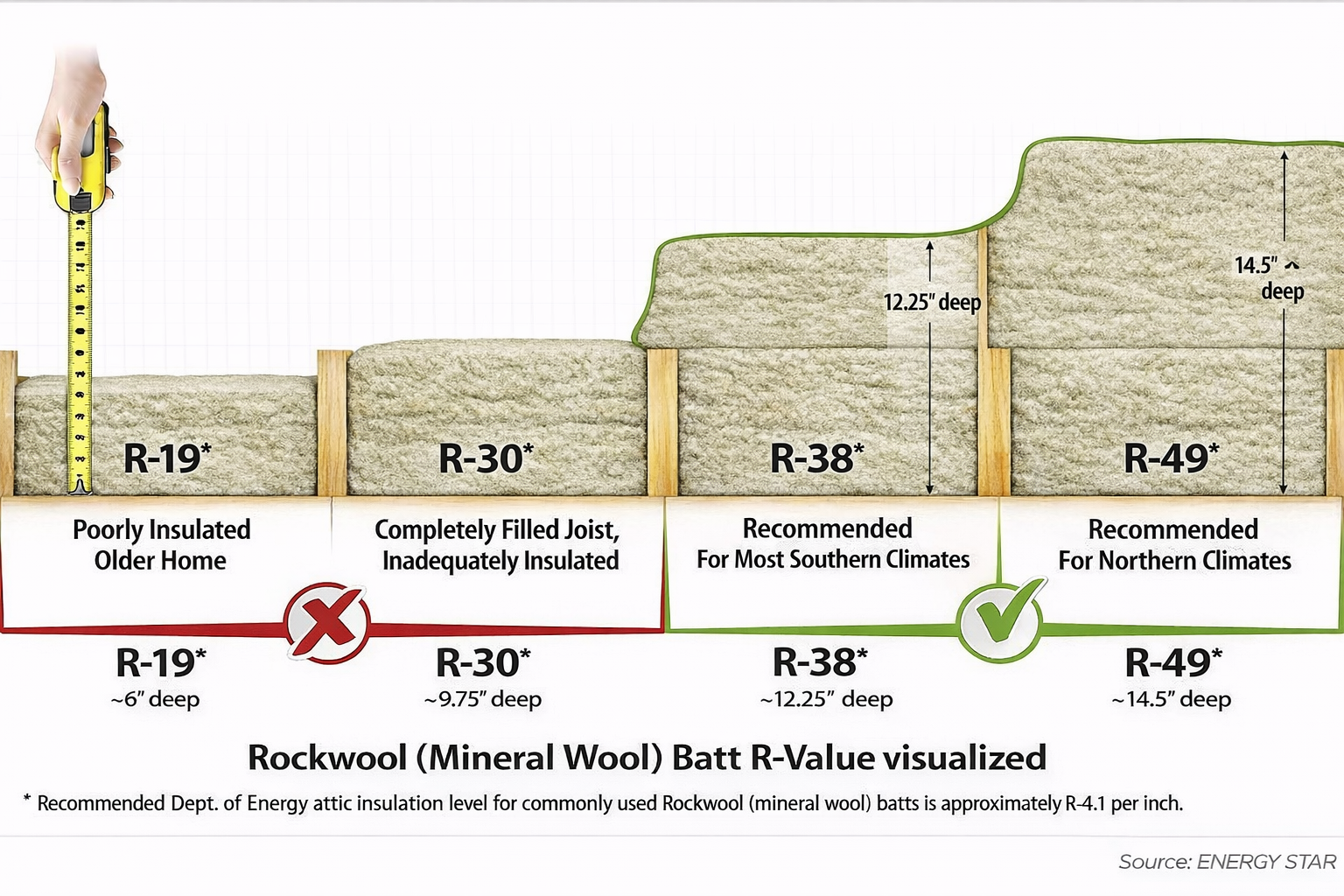
Which R-Value Is Right for Your Attic?:
- If your attic has little or no existing insulation, you’ll want to install an R-38 rated material
- If your attic has 2-3″ of existing insulation, you’ll want to install an R-30 to achieve a total of R-38
- If your attic has 5-6″ of existing insulation, you’ll want to install an R-19 to achieve a total of R-38
If you believe you may need to remove your old insulation prior to installation, please see our section on Insulation Removal.
Installing attic insulation is a quick and non-invasive process that typically takes just 2–3 hours with blown-in materials, or about 8 hours if using rolled-in insulation. There’s no need to leave your home or even relocate your pets while we work, and no permit is required (With exceptions to Pasadena & Hermosa Beach as of 2025, please inquire for updates). With a long vacuum hose attached to our truck – parked in your driveway or on the street – we access your attic through a small crawl-hole, usually located in the hallway, closet, or garage. Thanks to our dust-reduction system, the process is clean, moderately quiet, and straightforward. Many homeowners have had us insulate their homes in the afternoon and still hosted dinner parties that same evening!
Not just an improvement… It’s an investment! Dollar-per-value, attic insulation is unbeatable. Typically paying for itself through savings within a year and then continuing to save you money, it’s perhaps the best investment you’ll ever make to your home. Because our government recognizes the importance of having proper insulation, there are often Rebates and Federal tax credits to provide incentive to homeowners to insulate.
Other Factors to Consider
When addressing the thermal efficiency of your home, we also recommend addressing:
Roofing Material
Asphalt-composition roofs, the most common and hottest roofs on homes, are much hotter than wood-shingle or wood-shake roofs of the past primarily because traditional wood-based roofs had natural ventilation. In comparison, the asphalt-composition roofs are significantly more thoroughly sealed, with little to no ventilation. Think about a park bench basking in the summer sun – if it were made of wood and you sat on it, it would be warm but certainly not terribly hot. If the same bench were made of rock, it would be significantly hotter!
Ventilation
Attics that have whirly-birds, fans, dormers and vents tend not to get as hot. By keeping the attic cooler, the insulation doesn’t have to work as hard. If your attic is well ventilated, you’ll notice the difference.
Pitch of the roof
A higher pitched roof has more “stand-up” area inside it. While this makes it easier to walk around, it also provides more area and space for heat to rise. The further the heat is away from the attic floor and insulation, the better.
Color of the roof
A darker color gets hotter than a lighter color, something few homeowners consider when selecting the color of their roof. A black-colored roof will absorb much more heat into an attic then a light-grey colored roof.
Shade from trees or canyons
A tall shade tree, high canyons surrounding the house or other structures can offer a nice break to keep the roof from being baked by the sun. Quite often, homeowners get that large tree trimmed and suddenly their home is noticeably warmer! Shade trees can be invaluable for both looks and staying cooler in the summer!
Roofing Material
Asphalt-composition roofs, the most common and hottest roofs on homes, are much hotter than wood-shingle or wood-shake roofs of the past primarily because traditional wood-based roofs had natural ventilation. In comparison, the asphalt-composition roofs are significantly more thoroughly sealed, with little to no ventilation. Think about a park bench basking in the summer sun – if it were made of wood and you sat on it, it would be warm but certainly not terribly hot. If the same bench were made of rock, it would be significantly hotter!
Ventilation
Attics that have whirly-birds, fans, dormers and vents tend not to get as hot. By keeping the attic cooler, the insulation doesn’t have to work as hard. If your attic is well ventilated, you’ll notice the difference.
Pitch of the roof
A higher pitched roof has more “stand-up” area inside it. While this makes it easier to walk around, it also provides more area and space for heat to rise. The further the heat is away from the attic floor and insulation, the better.
Color of the roof
A darker color gets hotter than a lighter color, something few homeowners consider when selecting the color of their roof. A black-colored roof will absorb much more heat into an attic then a light-grey colored roof.
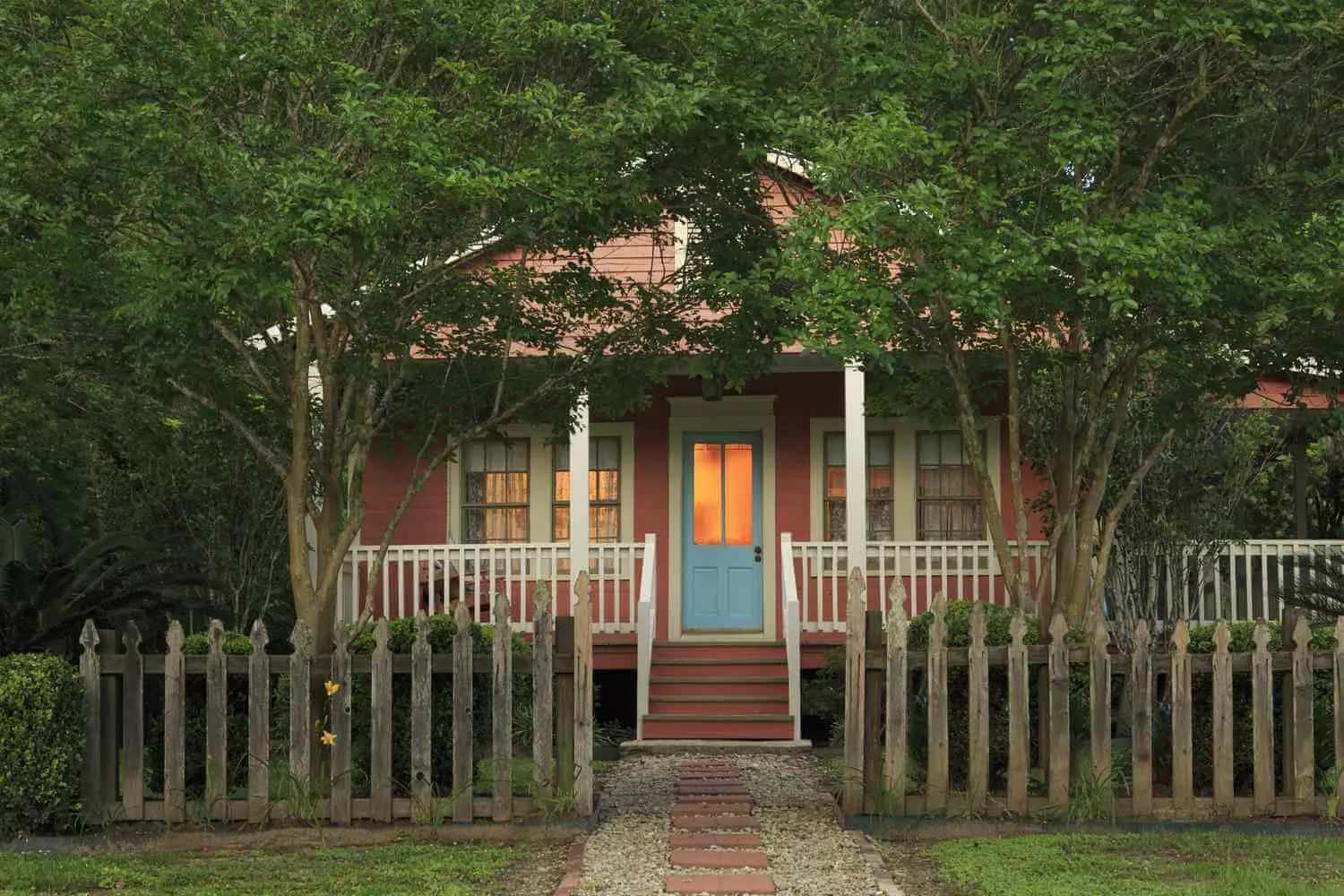
Shade from trees or canyons
A tall shade tree, high canyons surrounding the house or other structures can offer a nice break to keep the roof from being baked by the sun. Quite often, homeowners get that large tree trimmed and suddenly their home is noticeably warmer! Shade trees can be invaluable for both looks and staying cooler in the summer!
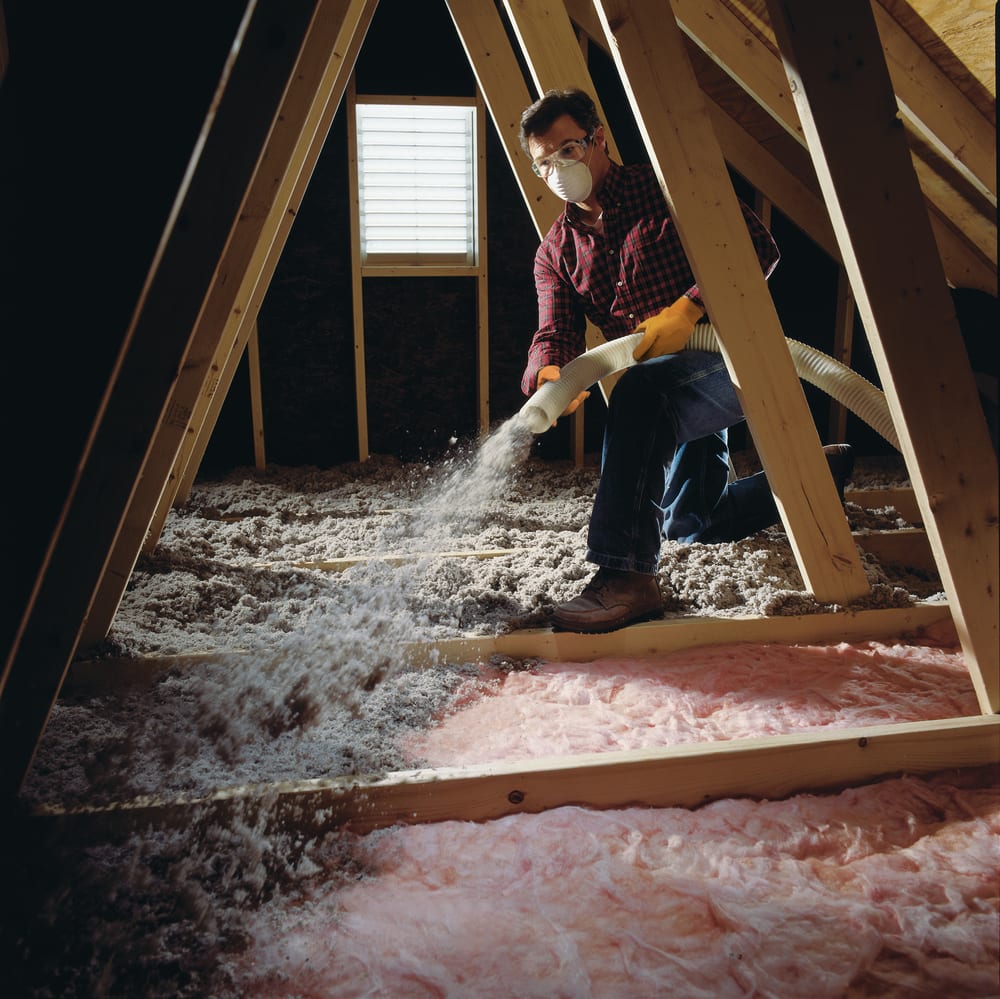
Working in an attic after insulation
Working in an Attic After Loose-Fill (Blown-In) Insulation
Homeowners often express concern about working in the attic after it has been insulated with blown-in materials. The good news is that homeowners often report that working in blown insulation is not nearly as difficult as they had imagined! The loose-fill material can simply and safely be shifted out of the way temporarily when areas need to be worked in. Since Cellulose is made of eco-friendly, reconstituted wood fiber, it’s completely safe to be around, breathe in, and touch with bare hands. It’s even allergy, immune-compromised, and asthma safe! Also, non-itchy Cellulose provides an R-38 with only 10″, which is much easier to work in then the 16″ of very itchy Fiberglass required to achieve the same R-38 rating.
Cellulose is easy to work in; it brushes off easily and effortlessly. Fiberglass, on the other hand, even when rolled out can be dangerous to breathe or touch, and leaves you miserably itchy. Since it’s made of spun glass fibers, we do not recommend spending lengths of time around it, especially without a respirator – the body cannot digest a glass fiber if inhaled.
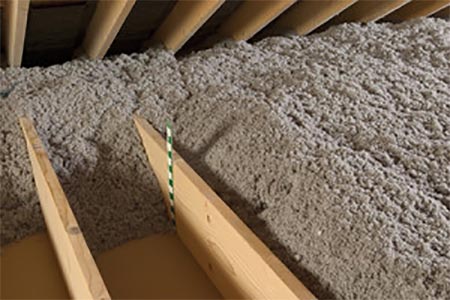
After insulating with blown material, many homeowners have installed recessed lighting, wired for computers, alarms and other such devices with no reported problems. The blown material does not become hard or damaged from being walked on or from laying down a sheet on wood on top of. You need only take care to stay on top of the ceiling joists – wooden beams – when working in the attic which holds true regardless of the material type installed. We can mark clearly the joists with little flags if desired.
Homeowners often ask how easy it is to work in the attic after loose-fill (blown-in) insulation is installed. The good news: it’s much easier than most people expect.
Loose-fill materials—such as Cellulose and Rockwool—are designed to remain soft and movable. They will not pack down or lose their insulating performance from normal attic maintenance movement. If you need access to wiring, recessed lighting, HVAC components, or other areas, the material can simply be brushed or shifted aside temporarily. It does not harden or become damaged from typical attic work, and it is non-itchy, low dust, and comfortable to handle.
For a stable surface, you can lay a sheet of plywood over the area, walk on it while completing your project, and then remove it without causing harm to the insulation.
Compared to traditional Fiberglass batts, loose-fill insulation is significantly safer to work around. Fiberglass contains spun glass fibers that can irritate skin and lungs and requires protective clothing and a respirator when disturbed due to its hazardous warning label.
As with any attic, you should always step on the ceiling joists (wooden beams) to avoid stepping through the ceiling, regardless of insulation type. We’re also happy to clearly mark joists, HVAC equipment, and other key maintenance areas with flags upon request to make future attic access even easier.