Los Angeles · Orange · Ventura · Santa Barbara & Surrounding Counties
Rockwool
Our Top Pick for Fire Affected Areas & Soundproofing
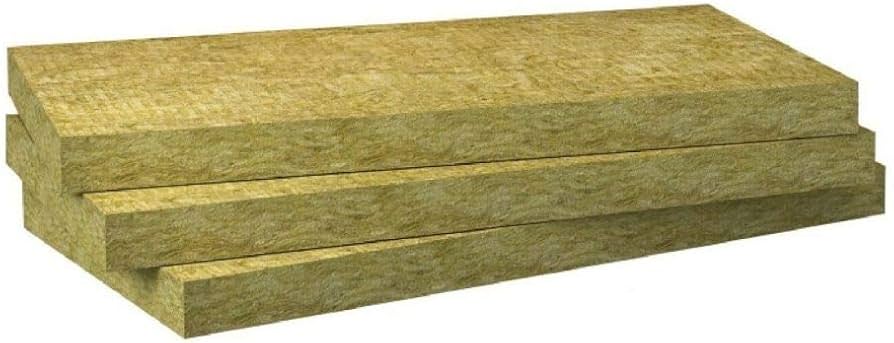
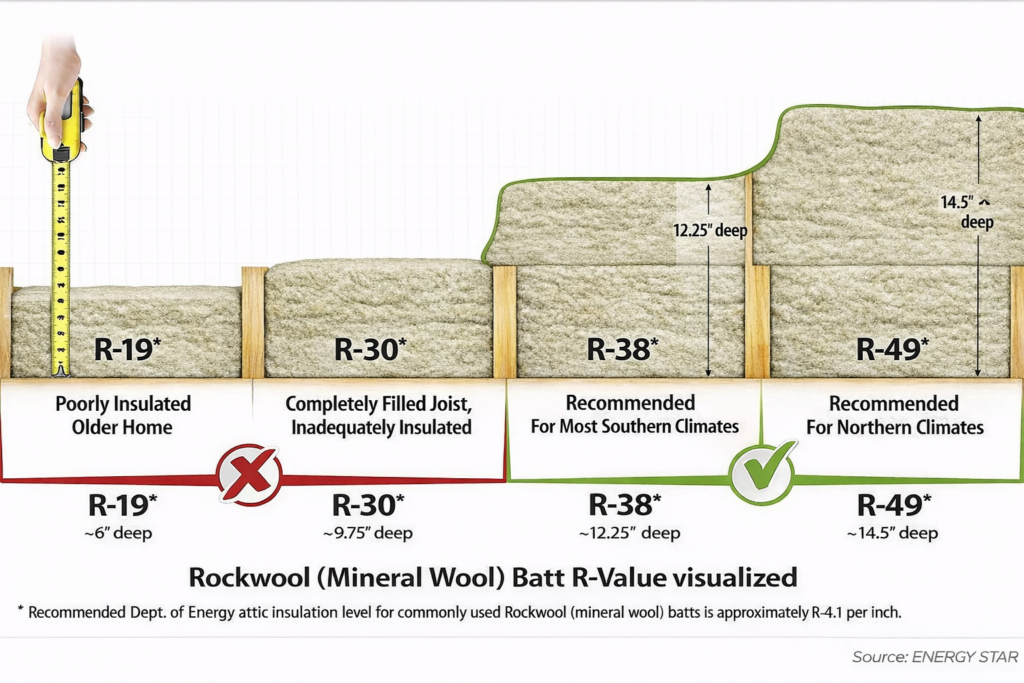
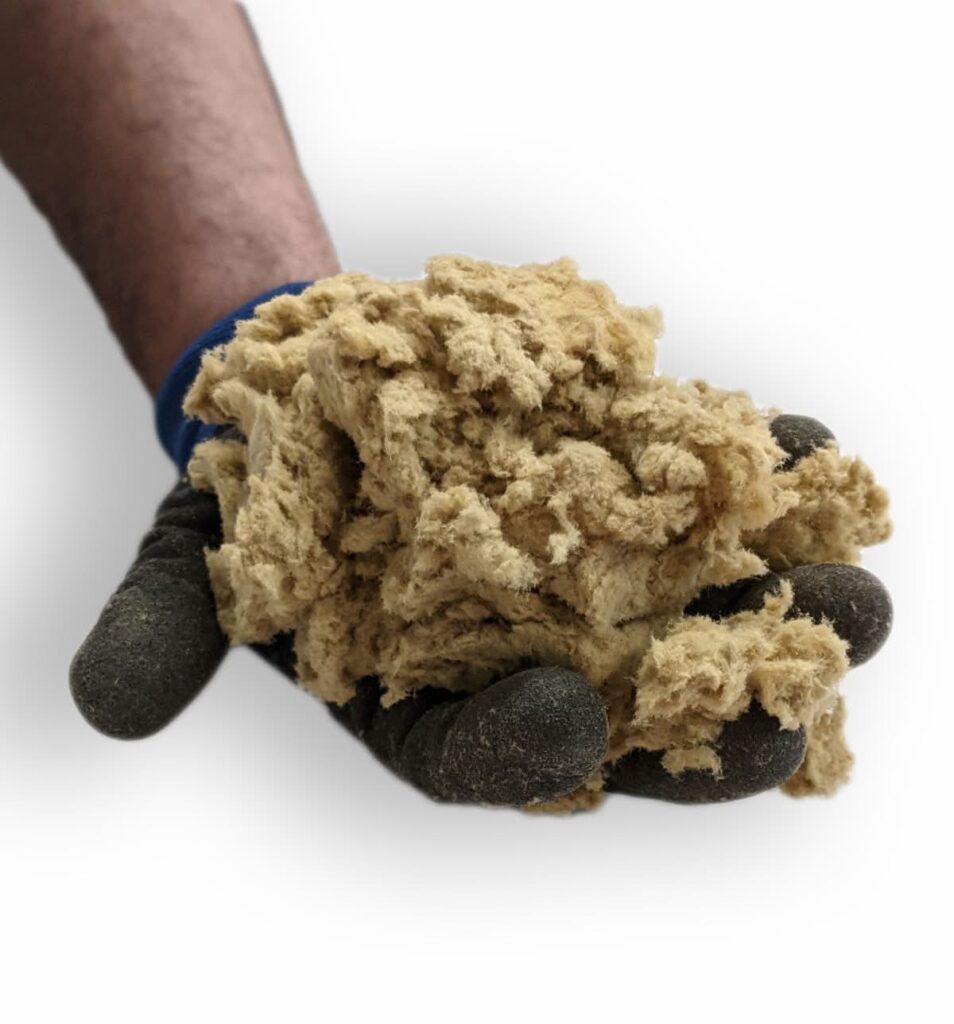
Rockwool is the premium choice for homeowners seeking durability, enhanced fireproofing, excellent soundproofing, and long-term insulation performance. Blown-in Rockwool is very similar to Cellulose in many ways—it offers the same lifetime warranty, resistance to rodents, insects, mold, and mildew, and is non-toxic, environmentally friendly, and permanently fire resistant. Rockwool is available in batt (roll) form and loose-fill (blown-in) form. Where Rockwool stands apart is in its even greater fire resistance, superior soundproofing, and noticeably lower dust levels during and after installation.
Safe, Natural, and Allergy-Friendly
Like Cellulose, Rockwool is safe to be around, breathe, and touch, including for those with allergies, asthma, or immune sensitivities. It is made from natural volcanic rock and recycled steel byproducts, which are spun into dense mineral fibers that provide exceptional stability and insulation performance over the lifetime of the home. Unlike many insulation materials, Rockwool will not burn, melt, or produce smoke—even when exposed to direct flame. Its ASTM Class A fire rating exceeds standard building code requirements, making it an excellent option for homes located in or near fire-prone or high-risk areas.
Superior Soundproofing
Rockwool also excels in sound control, outperforming many other insulation materials in both airborne and vibrational sound reduction. This makes it an ideal choice for walls and ceilings where quiet and comfort are priorities, such as bedrooms, offices, and shared living spaces. It is also a good choice for those in noisy neighborhoods with frequent traffic, yard work, construction, or close proximity to airports. Homeowners often choose Rockwool when they want a noticeable reduction in outside noise or sound transfer between rooms. (For more information, visit our soundproofing page.)
Moisture and Pest Resistance
The dense mineral structure of Rockwool naturally repels water, meaning it will not absorb or retain moisture. In the event of a small roof or plumbing leak, Rockwool dries quickly and maintains its full insulating value without supporting mold, mildew, or fungal growth. It is also highly resistant to pests and rodents, as the fibers are too dense and abrasive for nesting, tunneling, or burrowing.
When to Choose Rockwool
Because of its higher material cost, we consider Rockwool to be a premium insulation material and recommend it primarily for homeowners who prioritize maximum fire resistance or soundproofing, or who live in fire-affected or high-risk areas. For most attic installations where those factors are less critical, Cellulose is an excellent choice which remains our most cost-effective option, offering nearly all the same benefits at a more cost-effective price point.